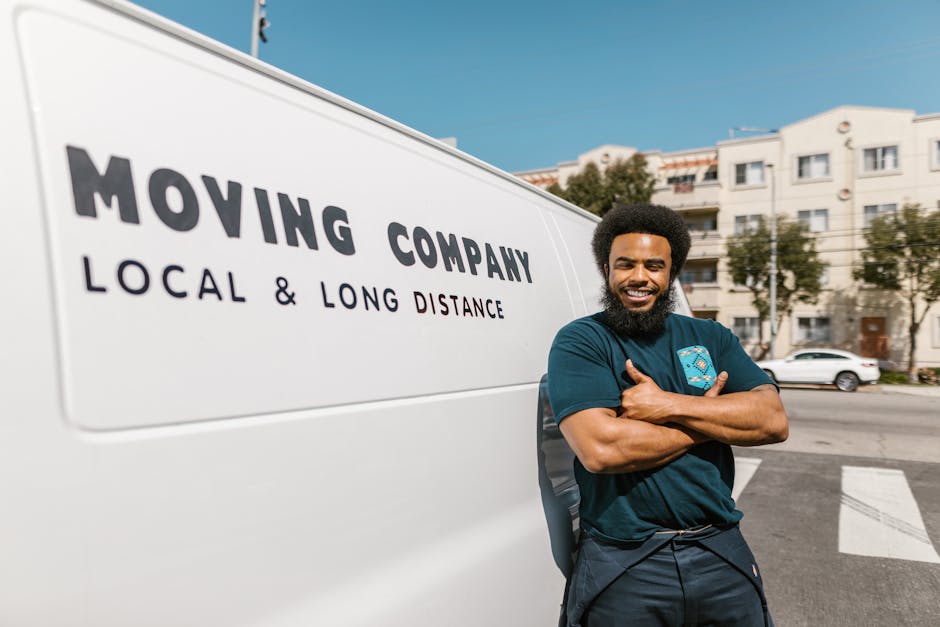
Man With A Van in Brixton

Man With A Van Brixton provides a practical man with a van in Brixton service for customers who need items moved with care, sensible loading and straightforward communication. It is suited to everyday removals, single-item transport and smaller moving jobs where a full lorry is unnecessary. The service can support homes, flats and businesses that want help shifting furniture, boxes or mixed belongings in a tidy, organised way.
Our work is centred on the essentials that make a move smoother: lifting, carrying, securing and transporting items so they arrive in the right condition. We can help with jobs that involve awkward access, stairs, shared entrances or tighter schedules, while keeping the approach clear and efficient. If you are comparing options, pricing and quotes can be a useful place to start before you request a quotation.
For many customers, the main advantage of this kind of service is flexibility. You can arrange help for a few bulky items, a partial flat move or a local delivery that needs more than a standard car journey. We focus on the load that needs moving rather than adding unnecessary extras, and that makes the service practical for people who want a direct, workable solution. Get in touch when you are ready for a quotation.
Household moving support
Our household moving work is designed for everyday domestic transport, including furniture, white goods, boxes and personal belongings that need to be taken from one address to another. A smaller vehicle-based move can be a strong fit for studio flats, one-bedroom homes, student moves and partial relocations where the volume is manageable but still too much to handle alone. We aim to keep the loading order sensible so that the most fragile or important items can be positioned with care.
Household work often benefits from clear preparation, particularly where larger pieces need to be carried through narrow halls or down shared stairwells. A short conversation about the items, access points and parking can make the moving plan more reliable. If you want to understand the broader service range, house removals explains the domestic moving side in more detail, while still keeping the emphasis on practical transport rather than unnecessary complexity.
Typical domestic jobs may include beds, wardrobes, tables, chairs, shelving, packed cartons and a few loose household items. Where items need to be protected during transit, we can place them carefully and make sensible use of the available loading space. If you are planning a move that is not a complete house removal, the service can still be shaped around what actually needs to go. That keeps the process proportionate.
Local van transport for furniture and bulky items

Some customers only need help moving a sofa, a bed frame, a cabinet or a handful of heavy pieces between addresses. In those cases, a van-based move can be more suitable than hiring a larger removals setup. We can support straightforward furniture collection, transfer and delivery, with attention paid to how items are lifted, loaded and secured for the journey. The aim is to keep the job organised from the first item to the last.
Furniture transport can also be useful when you have bought items from a shop, marketplace or private seller and need them collected safely. A sensible moving plan helps to reduce handling risk, especially for broad, heavy or awkwardly shaped pieces. For customers who want to discuss what type of vehicle and service fit the job, moving van is a relevant page to review before sending an enquiry.
Where required, we can also deal with mixed loads that include furniture, boxes and a few loose personal items. This is often the right choice when a move is more than a simple pick-up but still not large enough to justify a more extensive removal arrangement. The service is best thought of as practical transport with loading help, built around the items you actually need moved.
Packing, handling and move preparation
Packing can make a noticeable difference to how efficiently a van move runs, particularly when a load includes mixed household items or anything delicate. Boxes that are closed properly, labelled clearly and packed to a sensible weight are easier to stack and carry. If you need additional help preparing items, our packing and unpacking support can help keep belongings grouped in a more orderly way before they are loaded.
For people who prefer to prepare the move themselves, a few simple decisions can help the day go more smoothly. Separate items that need extra care, avoid overfilling boxes, and make sure loose parts are kept together with the furniture they belong to. You can also check whether lifting routes are clear and whether any particularly large item may need to be dismantled first. If you want a broader view of how items are handled, packing and unpacking services gives another useful route into that part of the work.
Useful preparation usually comes down to three things:
- keeping fragile pieces wrapped and clearly marked
- grouping similar items together so loading is simpler
- making sure access is free of obstacles before the vehicle arrives
Office and small business moves

Not every commercial move needs a large fleet or a long drawn-out schedule. Smaller office relocations may involve desks, task chairs, filing, boxed paperwork, compact storage and a few items of equipment that need to be moved without confusion. Our van-based service can help with those lighter commercial jobs where planning, care and orderly loading matter more than scale.
Business customers often want a move that keeps disruption manageable and protects equipment from unnecessary handling. That means thinking about which items should travel first, how they are packed and whether any pieces need to be carried separately. If your requirements extend into a more structured workplace move, office removals is a relevant option to review because it focuses on the commercial moving side of the work.
We can also support transport for archive boxes, shelving, display materials and other items that must be moved without confusion between old and new locations. Where a business move is being phased, a smaller service can help clear one room, one department or one load at a time. That can be a sensible way to keep operations moving.
About Brixton
Brixton is a well-known district in south London, within the London Borough of Lambeth, and its character is shaped by a dense urban street pattern, strong transport links and a long history of commercial and residential change. The area sits around Brixton Road and the surrounding streets, with Brixton Underground station on the Victoria line forming one of its best-known transport landmarks. Nearby, Brixton Market and Brixton Village have become central to the district’s identity, with covered arcades, independent traders and food businesses reflecting the area’s energetic street life. The main shopping streets mix late Victorian and twentieth-century buildings, while the wider neighbourhood includes terraced housing, mansion blocks and a range of community spaces that speak to its layered development over time. Brixton has also been associated with music, nightlife and cultural expression for decades, with venues, murals and public art contributing to a distinctive local atmosphere. Windrush Square provides one of the area’s open civic spaces, and Brockwell Park lies to the south-east as a major green space with wider views across south London. The district’s railway and road connections have long supported its role as a busy crossroads, and its history includes periods of rapid growth, post-war change and continued reinvention. As a result, Brixton is both strongly local and widely recognised, with an urban texture that combines everyday commerce, housing, transit and cultural activity in a compact part of the city.
Pricing factors and quotation requests
When people ask for a quotation for a man and van job, the main factors are usually the number of items, the amount of loading help needed and the distance between locations. Access matters too, because stairs, narrow entrances, limited parking or awkward carrying routes can affect how a move is handled. The type of items is also important, especially if the load includes heavy furniture, fragile pieces or objects that need to be kept upright. A quote works best when it reflects the move as it really is.
To keep the enquiry useful, it helps to note what is being moved, where it is going and whether anything needs special handling. A rough inventory is often more helpful than a vague description because it lets the move be sized properly. If you want to compare broader moving options before enquiring, man and van gives another route into the same core service type, while still keeping the discussion focused on transport and loading rather than unnecessary add-ons.
Please send a quotation request when you are ready. If you are not yet sure whether the move is domestic, commercial or simply a collection job, a short summary of the items is usually enough to begin.
Single-item pick-ups and collections
Single-item transport is a common reason people choose a van-based service. A sofa from a seller, a wardrobe from storage, a bed from a relative’s address or a large item purchased online may all need careful collection and delivery. These jobs can be quick in scale but still need the right handling, especially when items are bulky, sensitive to impact or difficult to carry without help.
We can also support pick-ups that involve a few related items rather than a full house load. That might include a dining set, a pair of appliances or several packed boxes collected from one property and taken elsewhere. If you are looking for a dedicated collection page, furniture pick-up is a useful place to review the type of service available for those smaller transport jobs.
Single-item work often depends on clear communication about dimensions and access, because one large piece can require more space than several smaller boxes. It is also helpful to think about whether the item needs to be carried upstairs, through communal areas or into a room with limited turning space. A simple, well-described collection can save time for everyone involved.
Loading, securing and transit care

The transport stage is about more than simply placing items in a vehicle. Good loading practice helps reduce movement in transit and can protect corners, surfaces and stacked boxes from avoidable knock-on damage. Heavy pieces are best positioned so that the load remains stable, while lighter items can be arranged around them more carefully. The goal is a balanced arrangement that suits the journey and the mix of items being carried.
Because every job is different, the way a van is loaded may vary according to shape, weight and fragility. Flat-packed pieces, assembled furniture, soft furnishings and boxed goods do not all behave the same way in transit. If you want to understand more about the service structure and vehicle support, removal van is a relevant page because it reflects the transport side of the work without overcomplicating it.
Transit care also means paying attention to the order in which items are unloaded. The right sequence can make delivery easier and help ensure the most important items are available first when the vehicle arrives. Careful handling is not an extra flourish; it is part of the job. That approach is especially valuable when a move includes mixed objects that must be kept together.
Related removal services
Some customers begin with a simple van request and later realise they need a broader removals arrangement. That can happen when the load grows, the move includes several rooms or the job becomes more tightly timed. In those cases, it helps to know the related services available so that the right level of support can be chosen. The main point is to match the service to the size and shape of the move.
Related pages can also help if you are comparing terminology before making a decision. A company page may use different labels for closely related work, but the practical task is still about loading, transport and delivery. If you want a wider view of the company’s removal offering, removals provides a broader entry point to that family of services and may help you decide whether the smaller van option is enough.
Where the move is purely local and limited to a few items, the man with a van format is often the simplest fit. Where the move is larger, more formal or includes more rooms, a fuller removals page may be more appropriate. Either way, the starting point is the same: identifying the items, the access and the destination clearly.
How to request the right moving help

A good quotation request is usually clear, brief and specific. It should explain what is moving, how many pieces are involved and whether anything is especially heavy, fragile or awkward. It also helps to mention whether the job is from a house, flat, office, storage unit or retail collection point. That information gives a clearer sense of the work without requiring a long explanation.
If you are preparing a request, think about practical details such as stair access, parking limits and the floor level at each address. These are not meant to complicate the process; they simply help the moving plan fit the real setting. For customers who are ready to proceed, contact us is the page to use when you want to send the details and ask for a quotation.
Whether the job is a single delivery or a more involved move, the same principle applies: describe the load accurately so the service can be matched properly. Clear information leads to a better fit. If you already know the items, the route and the timing, you are in a strong position to request the quote you need.